

Comparer les casinos selon leurs retraits : le critère qui change tout Sur le marché français des jeux d’argent, la plupart des comparatifs s’attardent sur les bonus de bienvenue ou le catalogue de machines à sous. Pourtant, un critère reste sous-estimé : la qualité des retraits. Un joueur peut empocher un gain confortable et découvrir, […]

Real-time monitoring changes parole and probation compliance by giving you immediate visibility into location, alcohol use, curfew status, and movement patterns as they happen. You can verify behavior against schedules, exclusion zones, and reporting rules through GPS devices, wearables, breathalyzers, and mobile apps linked to a cloud platform. Automated alerts, dashboards, and machine-learning insights help […]
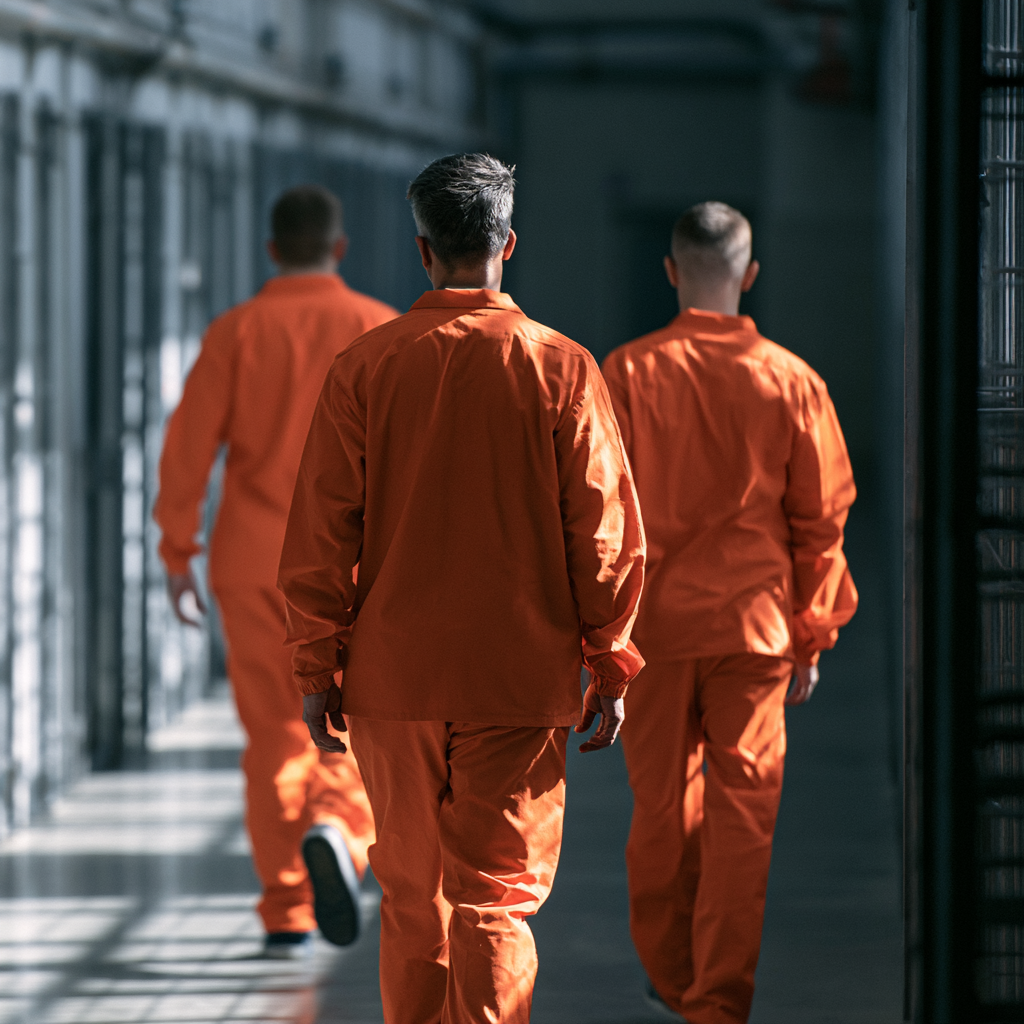
BlueTrac® for Parolees and Probation is a disposable, wearable solution built for fast deployment and defensible supervision. Secure the band to the wrist or ankle with the patented BlueTrac Clasp, then monitor it with continuous tamper detection authentication, face-to-face calls, and configurable geofence alerts. Its one-year battery removes charging failures, while tamper and cut detection […]
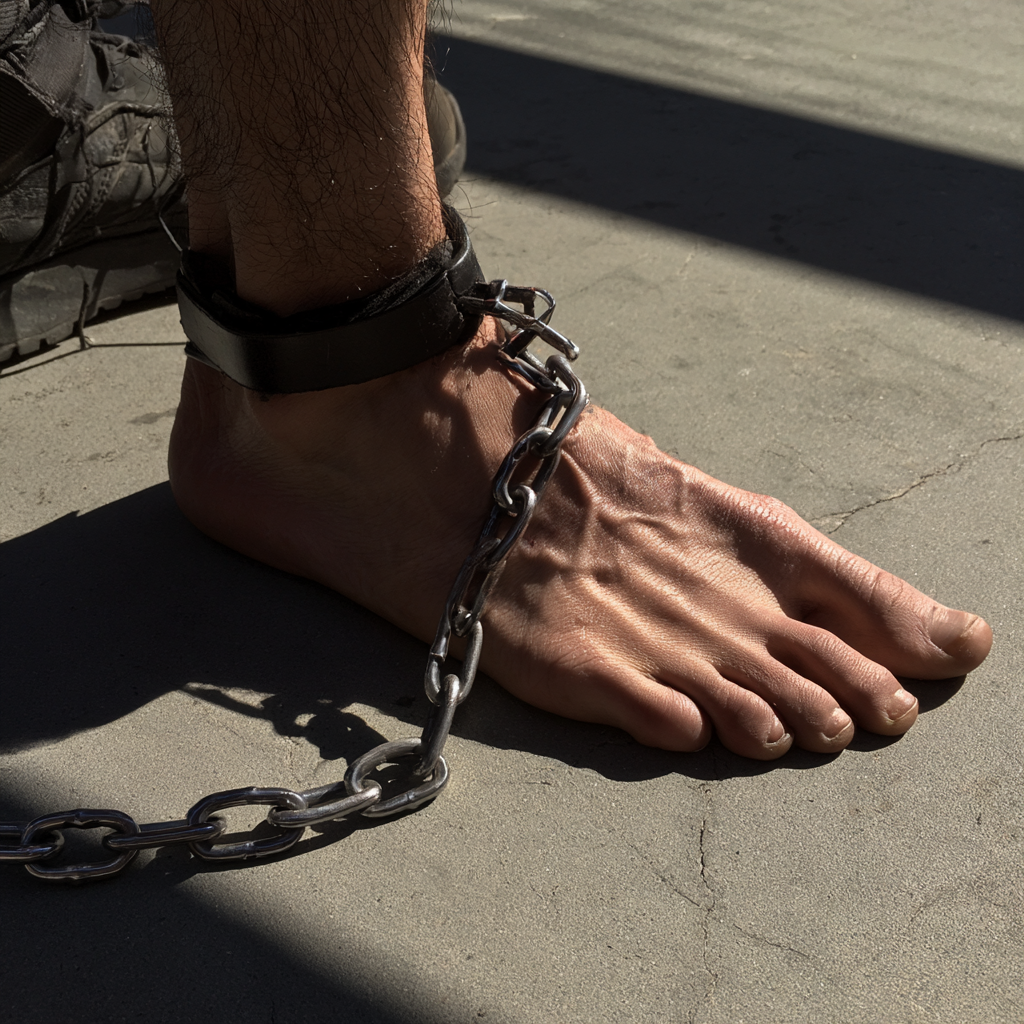
If you need an alternative to traditional ankle monitors, BlueTrac® gives you automated parole and probation compliance without adding daily operational friction. You get one-year battery life, automated identity checks, face-to-face call workflows, and tamper detection that flags cuts, removals, or device swaps. Its secure, waterproof band and low daily cost support scalable supervision across […]

You reduce recidivism more effectively when your parolee monitoring program uses BlueTrac® to enforce compliance consistently, verify identity through continuous tamper detection authentication, and detect tampering fast. Its encrypted wearable, indoor location awareness, and one-year battery life give you standardized supervision with less administrative burden. That means fewer missed check-ins, quicker response to violations, and […]
BlueTrac® reduces your workload by automating daily check-ins, tightening geofence enforcement, and standardizing parole monitoring from the start. You can deploy bands fast by securing them to wrists or ankles using the patented BlueTrac secure lock clasp. Automated tamper detection and authentication replace routine status chasing, while durable NFC-enabled wearables support accountability. Real-time alerts for […]

Geofencing improves electronic monitoring by letting you set GPS-based boundaries around approved locations and restricted areas, then trigger real-time alerts when someone exits, enters, or strays from an authorized route. You can layer zones, apply soft warnings at outer thresholds, and escalate breaches in inner zones to enable rapid response. GPS, Wi-Fi, and cellular signals […]
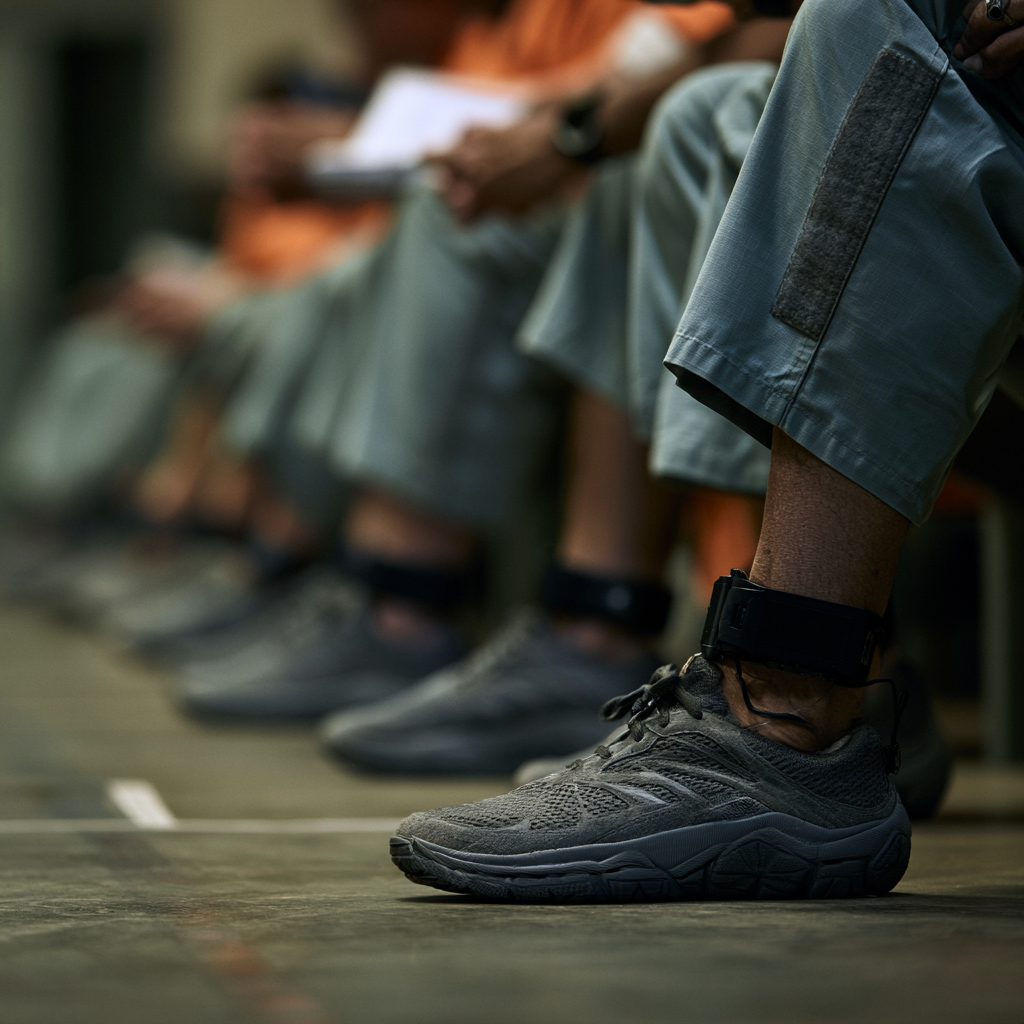
Why does BlueTrac® represent a policy and operational shift from traditional ankle monitors? You gain a system designed for tighter administrative control, lower maintenance burden, and more consistent compliance management. Unlike a conventional ankle monitor, BlueTrac® emphasizes automation, long battery life without recharging, and monitoring workflows that don’t rely on parolees’ and probationers’ repeated participation. […]
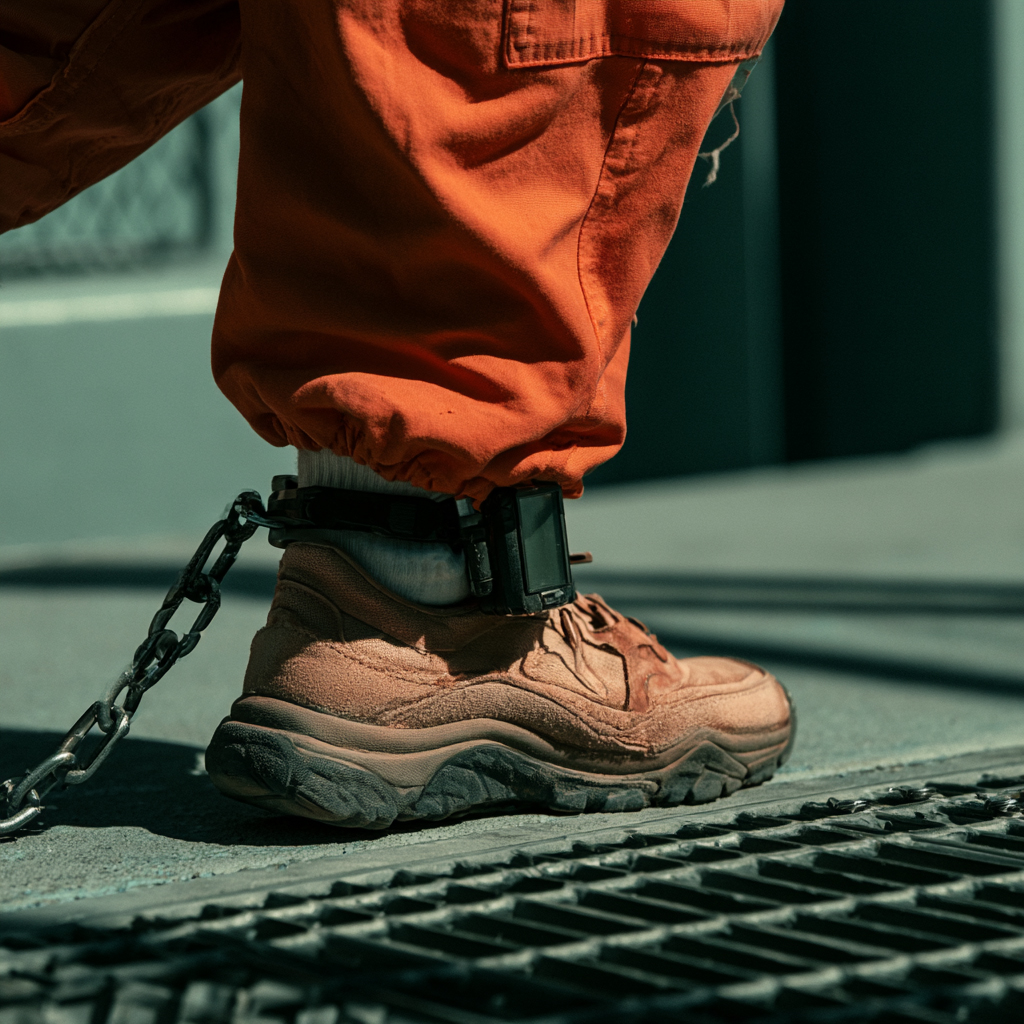
Bulky ankle monitors feel outdated because they add friction, slow deployment, and can undermine compliance, staff efficiency, and rehabilitation goals. You’ll get better results with lightweight, waterproof wearables that support secure tamper detection, real-time indoor/outdoor location awareness, and configurable geofences without excessive alarm fatigue. Apply the bands with secure clasps to also cut intake time and […]
You keep behavioral health wristbands safe and compliant by printing only essential IDs—name/alias, DOB, MRN, and a scannable barcode/QR—using high-contrast, standardized placement. You avoid diagnoses, unit labels, and other sensitive details, and you use privacy-safe, coded alerts only for immediate safety needs. You verify identity with calm scripts, discreet scans, and minimal questions to reduce […]
You build a zero‑hassle wristbanding workflow by assigning ownership at every handoff, using rapid ER registration with an MPI search‑first rule to prevent duplicates, and printing from a single encounter‑tied source. You standardize required fields and one barcode format, then enforce scan‑to‑verify at arrival, before meds, labs, transport, and unit transfers with hard stops and […]
You make barcoded wristbands work by treating every scan as an interoperability transaction. You capture the MRN plus check digit, normalize symbologies, and call a context service that resolves the single active Encounter via HL7 v2 ADT or FHIR Patient/Encounter APIs. You bind that encounter to the session, stamp it into meds, orders, and specimen […]
You cut misidentification and missed-risk errors when you design wristbands for a <2‑second, arm’s-length read in glare, motion, and low light. You standardize one meaning per color hospital-wide, then pair every color with plain-language alert text and a shared icon set to protect staff with color-vision deficiency. You keep the name/DOB bold and redundant with […]

You reduce misidentification by issuing secure wristbands for inmates only after you verify the booking ID against arrest paperwork and resolve mismatches before printing. You lock the band with tamper-evident closures, log dual-staff application, and require barcode/QR scans that force a photo-and-record match at intake, med pass, court runs, housing moves, and releases. You inspect […]
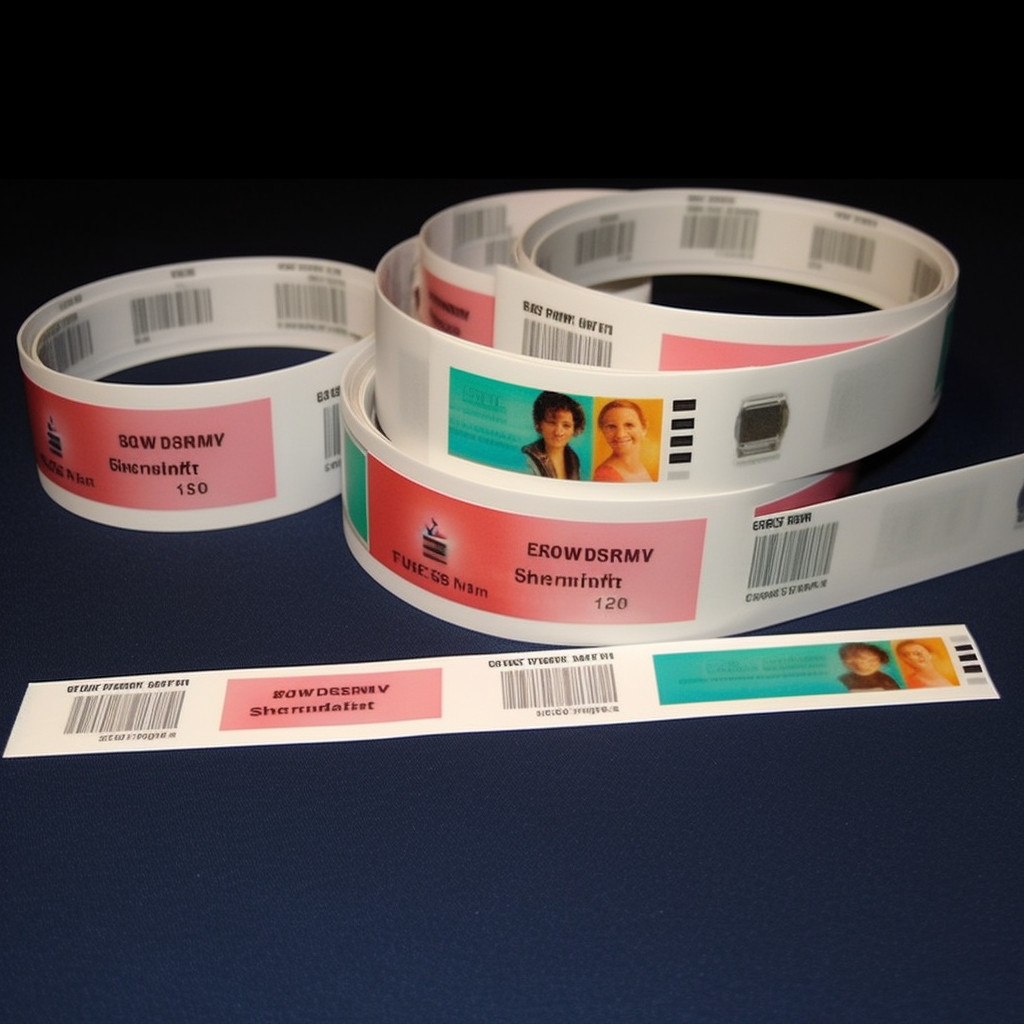
If you want hospital wristbands to last weeks, you’ve got to spec the substrate, topcoat, and closure like a medical laminate and validate them against real stressors. Bands fail when films crack from flex-fatigue, edges tear at die-cuts, print smudges from poor ribbon chemistry, or layers delaminate after moisture and wipes. Require disinfectant compatibility (alcohols, […]
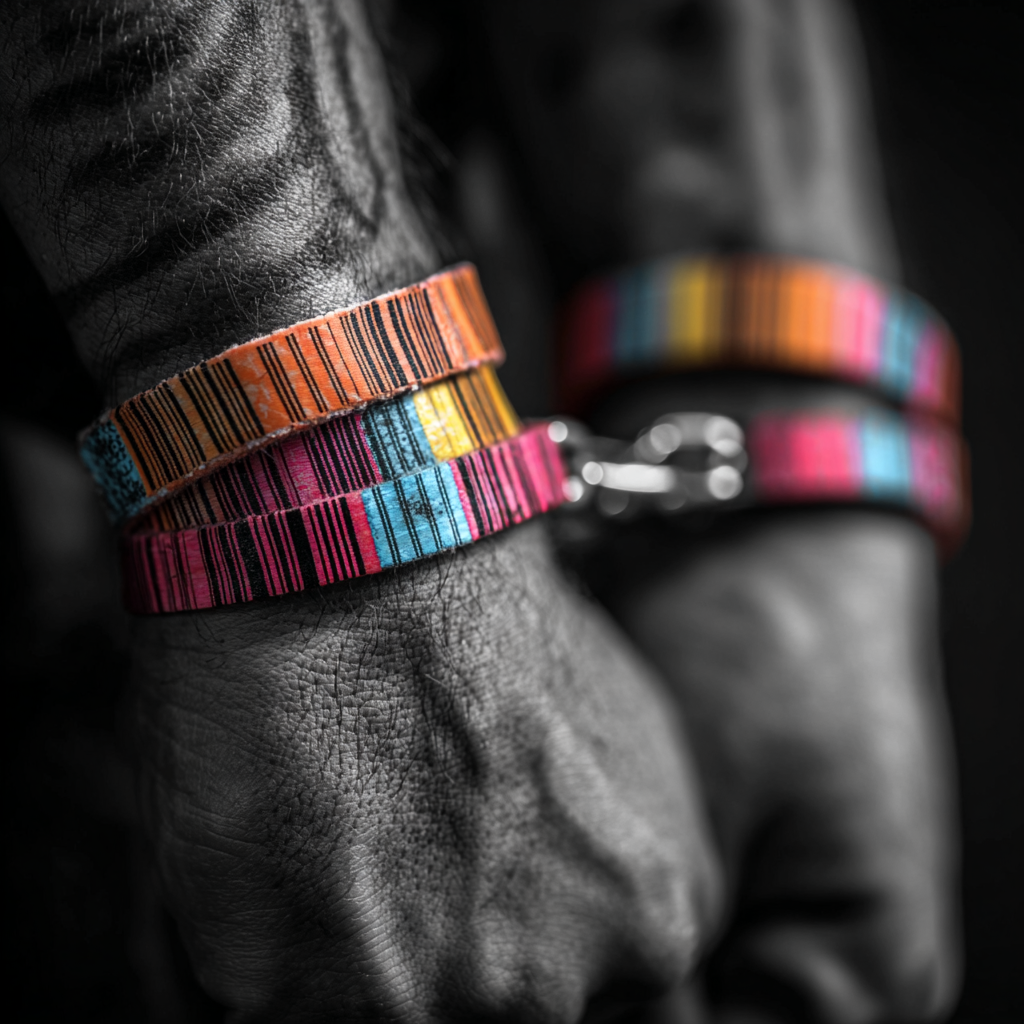
You issue a tamper-evident, barcoded wristband at booking after identity verification, and then tie fingerprints, photos, and demographics to a single unique record. Your jail management system syncs, scans in real time, logs exceptions, and supports chain-of-custody audits. At the commissary, you reduce mischarges by enforcing scan discipline and reconciling POS logs to inventory. In […]
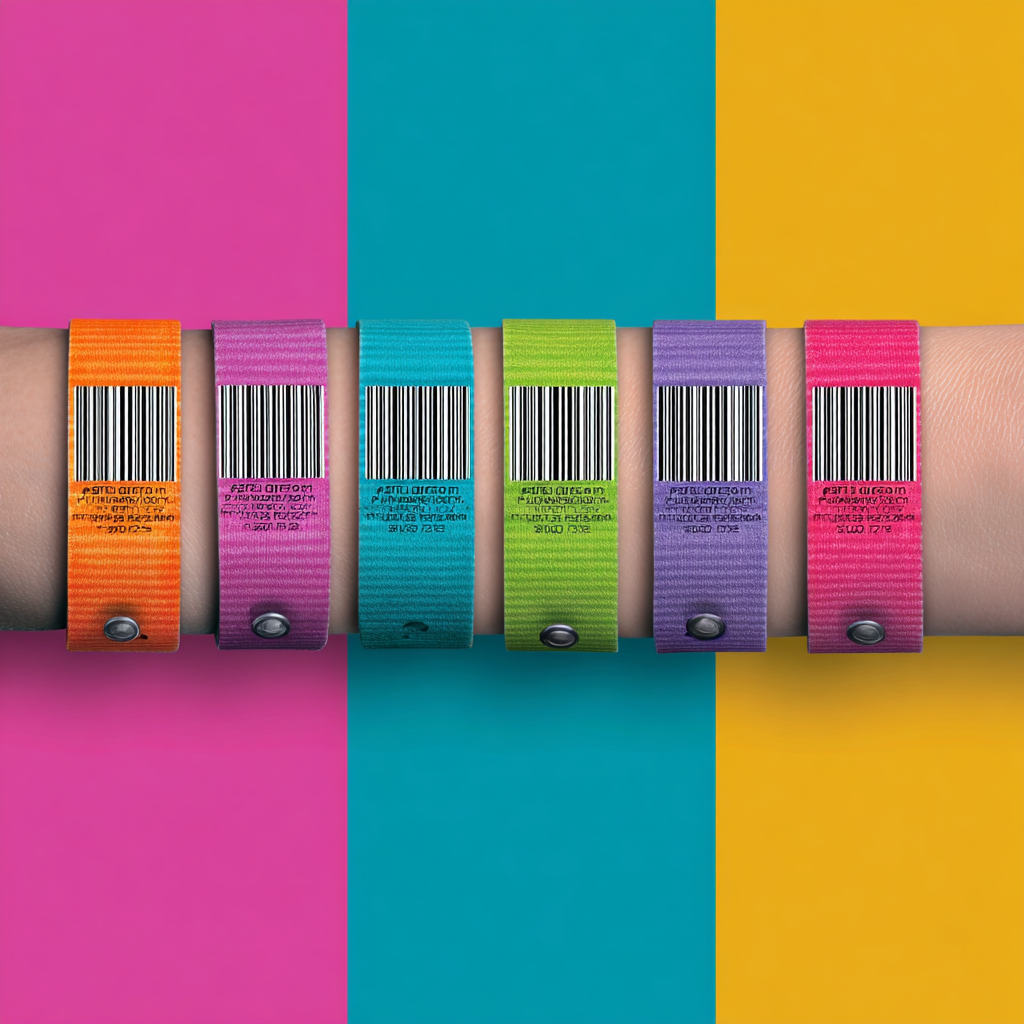
In behavioral health, you reduce wrong-patient risk at the point of care by using barcode wristbands that force an auditable match before high-risk steps. You scan the patient’s wristband, your badge, and the medication label, and the EHR flags mismatches before anything reaches the patient. You also time-stamp transfers and med passes to support two-identifier […]
A hospital wristband safely ties your identity to every step of care. It displays your full name, date of birth, and medical record number, along with color-coded alerts such as allergies or fall risk. Barcodes enable clinicians to scan and match the right tests, medications, and procedures to you in real-time. It’s durable, resistant to […]

You’ll improve outcomes more reliably with barcoded hospital wristbands than smartwatch IDs. Bedside scanning delivers deterministic patient matching, reduces wrong-patient and medication errors, and triggers patient-specific alerts. It’s faster and more predictable in high‑acuity workflows, with near‑universal reach across demographics. Wristbands also cost less to scale and eliminate risks associated with battery, pairing, and spoofing. […]

In disaster response, you treat the wristband as a lifeline: a scan-first identifier that locks in name, DOB, unique encounter ID, triage status, allergies, blood type, and time-stamps. You standardize fields, colors, and formats; apply double verification at issuance and every handoff. You integrate QR/1D/RFID with offline checksums, rugged devices, and store‑and‑forward. Closed-loop communication and […]